
What Is the Best Cat Litter?
The best cat litter is not the most expensive brand, the most heavily advertised product, or the one with the most appealing packaging for humans. In reality, the best litter is very simple: it is the litter your cat is willing to use consistently. If your cat refuses to step into it, dig in it, or eliminate in it, then it has already failed, no matter how “advanced” it claims to be.
In my experience working with cats, one principle stands above all others: cat preference is the most important factor. Everything else is secondary. After all, litter boxes exist for the cat, not for us.
One of the most common mistakes people make is choosing litter based on marketing or human preferences rather than feline comfort. I often see people get excited about a new brand because of ads or promises of superior odor control, without stopping to consider whether it actually matches what a cat needs.
When we break it down, cats are remarkably consistent in what they prefer. The most important characteristic is softness—soft, soft, soft. Cats have extremely sensitive paws. A litter substrate should feel gentle, not abrasive. To test this, I recommend using your forearm: press it into the litter. If it “stings,” like little thorns or sharp particles, that same sensation is what your cat experiences every time they step into the box.
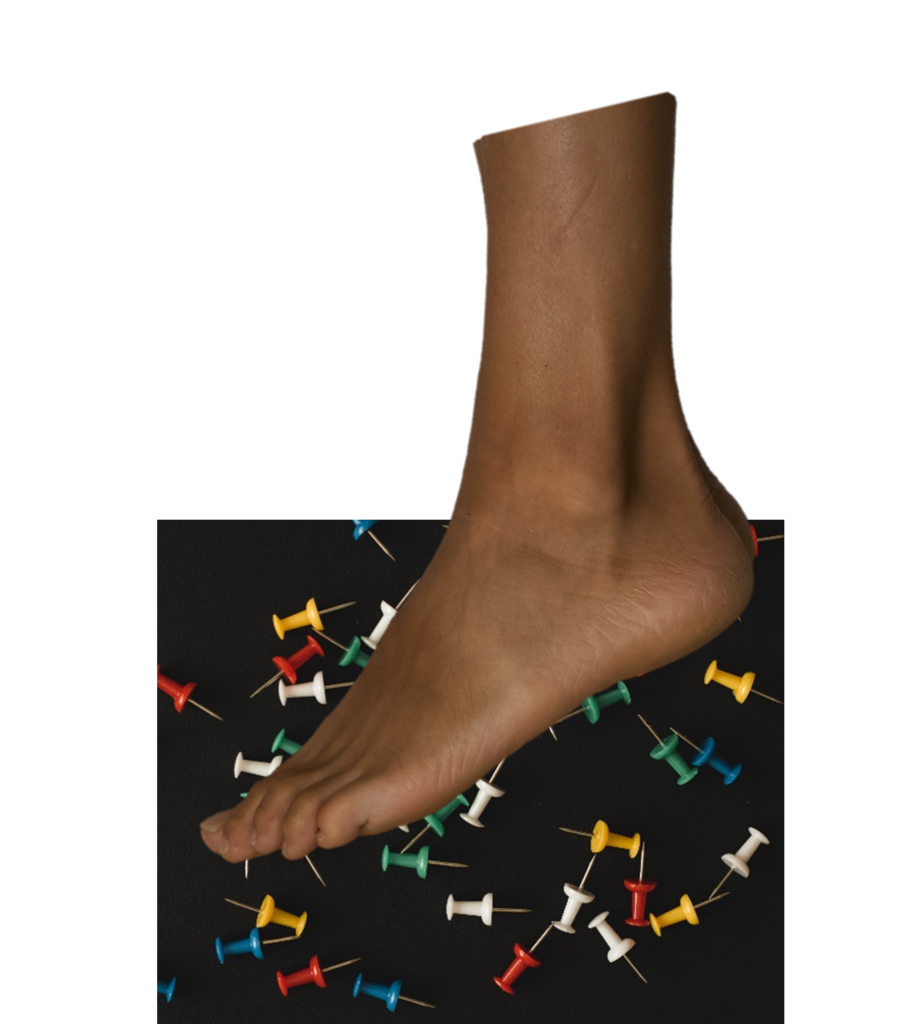
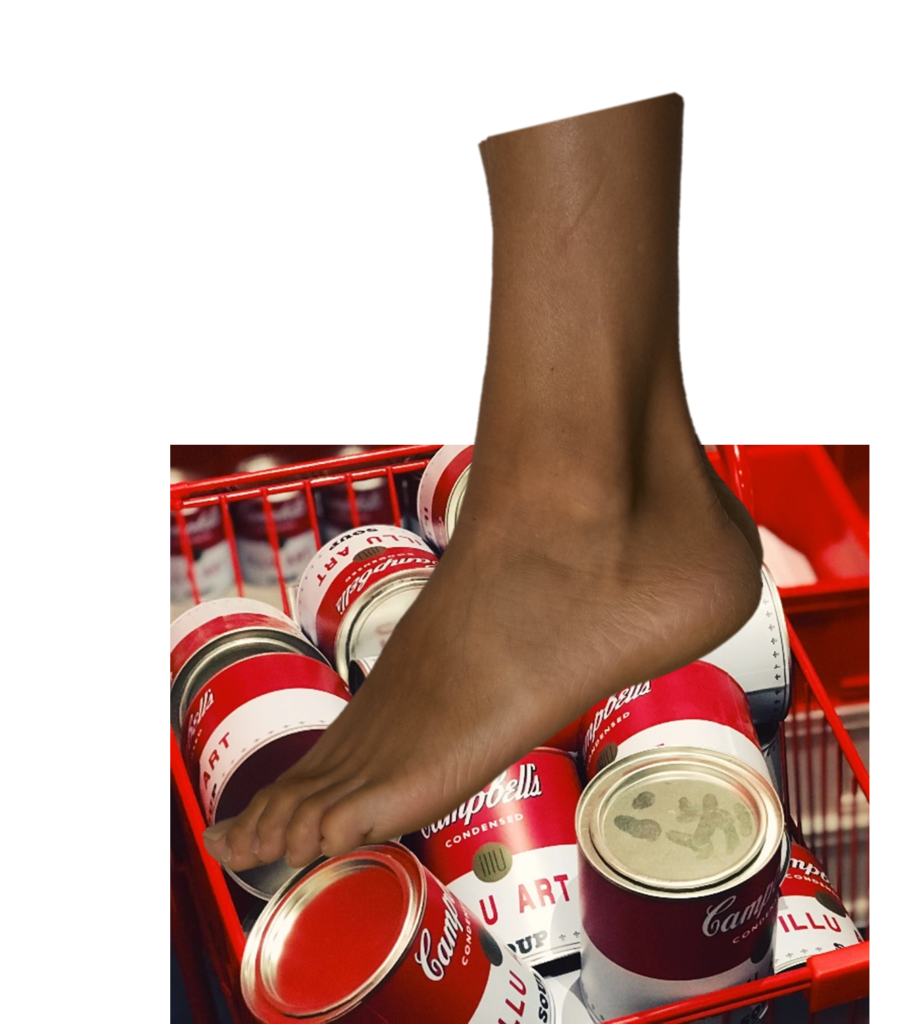
Now imagine being barefoot and being forced to walk on pushpins or sharp pellets every time you need to use the bathroom. Or stepping on cans of soup instead of soft ground. Most of us would look for another toilet very quickly. We cannot expect cats to behave differently.
Cats also need a substrate that allows them to dig comfortably. Digging is a natural behavior tied to their instinct to bury waste and feel secure. If the litter is too hard, too coarse, or unpleasant to manipulate, many cats will simply avoid it.
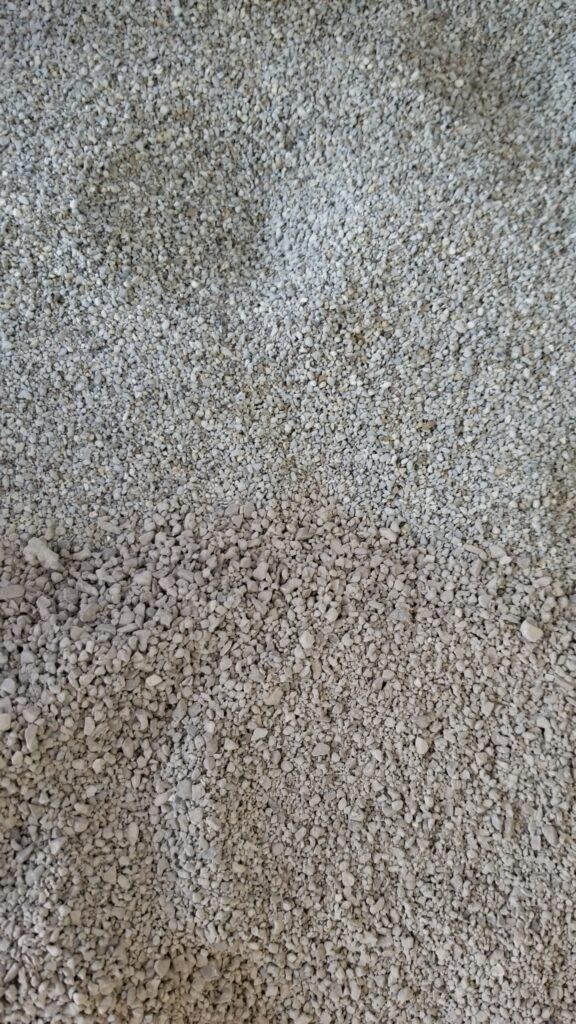
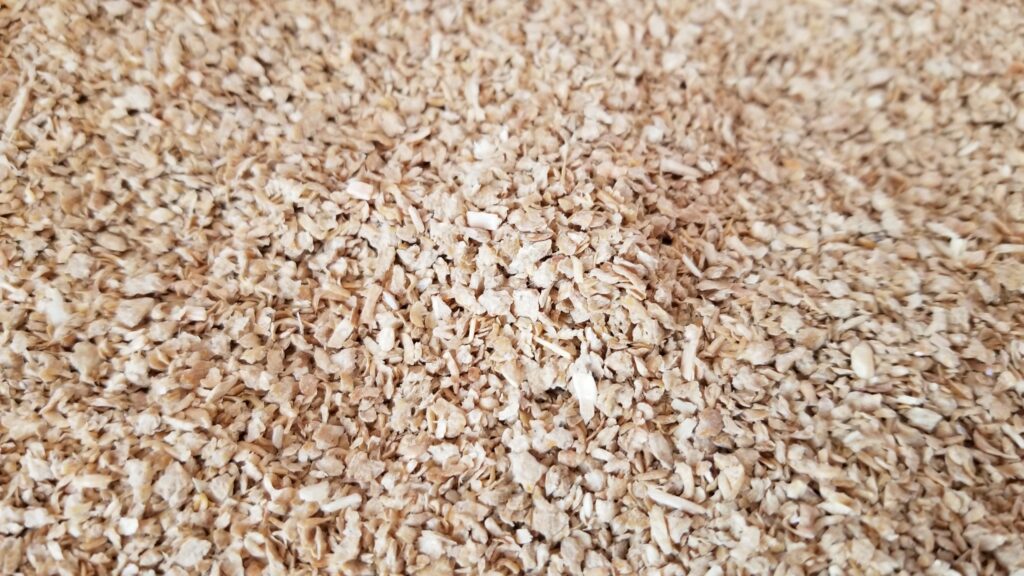
Look at the four – yes, four – types of litters below. Even two clay litters can have very different sizes of grains (on the left). Other materials also have a variety of levels of softness to them.
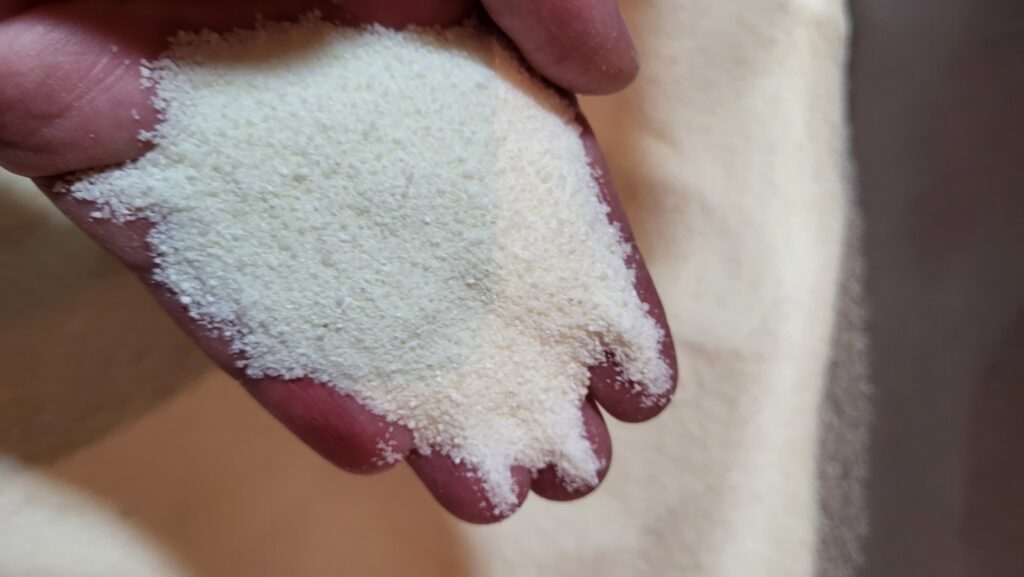
Another critical factor is scent. Cats have an incredibly strong sense of smell, and strongly perfumed litters—especially floral or artificial scents—are often unpleasant or overwhelming to them. In most cases, odorless litter is best from a feline perspective. While humans may prefer scented products for odor control, cats are not using litter for our comfort; they are using it for theirs.
Clumping litter is also generally preferred, as it helps maintain a clean, consistent surface. Cleanliness matters greatly to cats and influences whether they continue using the box.
In many cases, litter box avoidance is directly linked to substrate discomfort. Cats who feel like they are walking on something sharp or unpleasant will often choose to eliminate elsewhere rather than tolerate it.
When switching litter, a gradual transition over about two weeks is usually best. Slowly integrating the new substrate helps the cat adjust without stress and understand the change. However, if the previous litter was already uncomfortable or disliked, many cats will accept a better alternative immediately.
Ultimately, the best cat litter is not about trends or human convenience. It is about respecting the cat’s sensory experience and choosing a substrate that is soft, unscented, diggable, and comfortable enough that they choose it—every time.