
Blog (in English)
The wonderful world of the domestic cat is full of things that seem curious to us, and the reasons behind their actions sometimes seem incomprehensible. Their antics also make us smile. This section aims to help you understand the house cat. Here you’ll find a variety of articles covering various aspects of feline behavior, from species-specific communication and the sources of various behavioral problems to the dos and don’ts of interacting with cats! I hope to inspire in you the same passion I have for these adorable, enigmatic felines with whom we have the privilege of sharing our homes. 💕
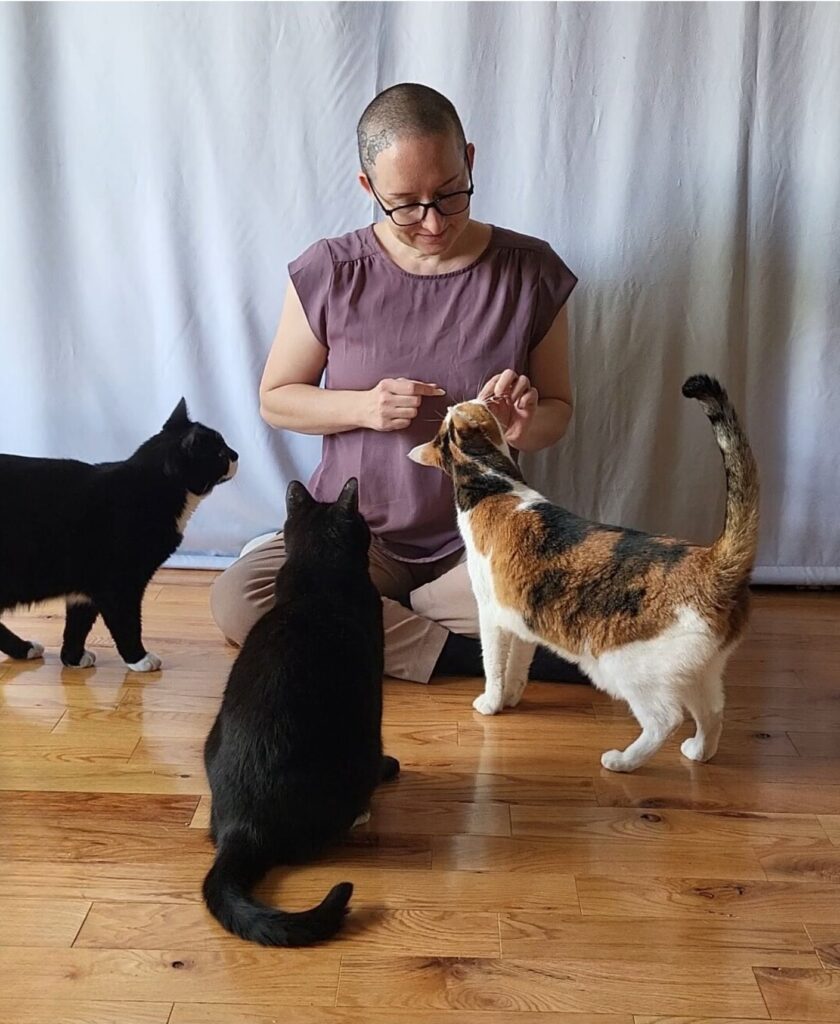
Are you looking for even more sources on feline behavior? Take a look at our Resources, our online courses and our videos and check out International Cat Care and the American College of Veterinary Behaviorists.
Article Categories
-

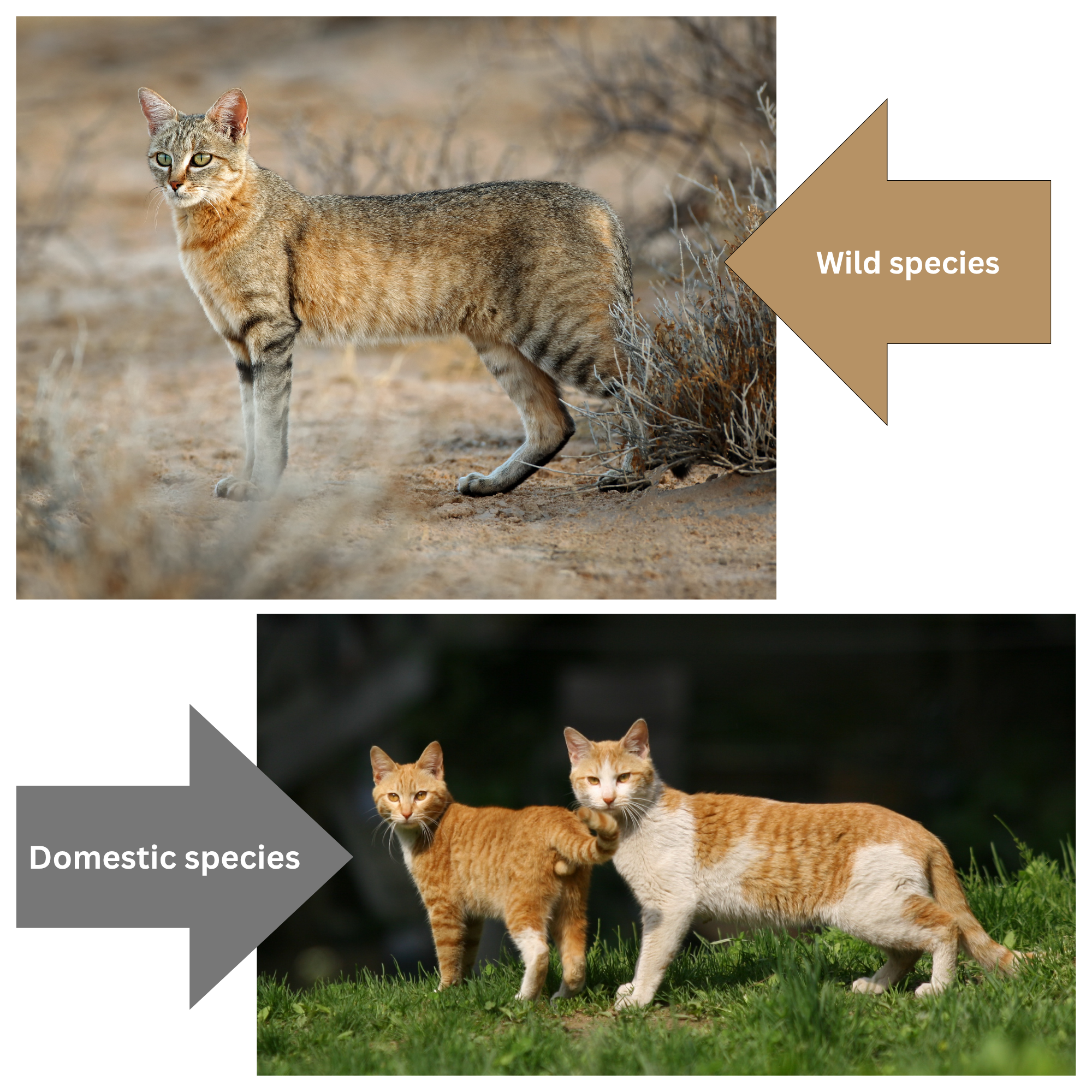
What makes a cat a cat?
What makes a cat a cat? Everyone knows what a cat is. Or at least, they think they do. But beyond the ears, eyes, size, claws, and whiskers, there are the cat’s BEHAVIORS. DOMESTIC Cat The cat is a domesticated species. This means it is better adapted to living and reproducing near humans than wild
-
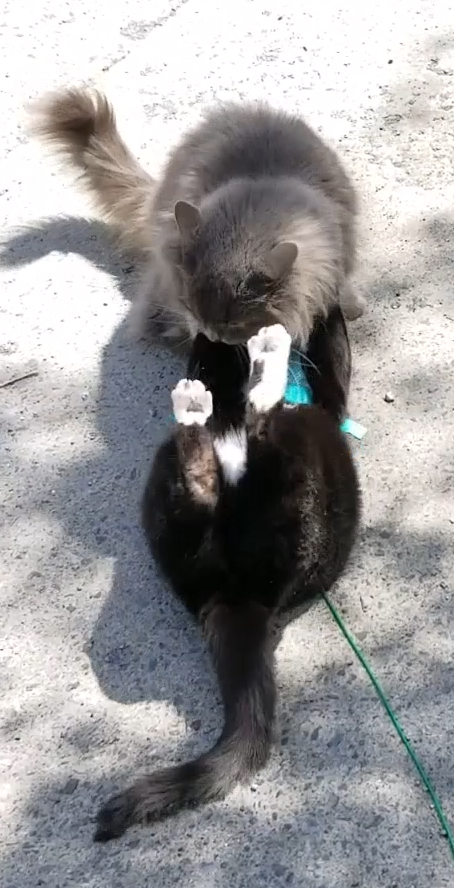
How to tell if cats are playing or fighting
How to tell if cats are playing or fighting by Many people are unsure whether their cat is playing or fighting. The reason is simple: there are similarities between the two. To avoid unnecessarily interrupting a pleasant play session, it’s important to know the difference between play and fighting. Play between cats The biggest indication
-
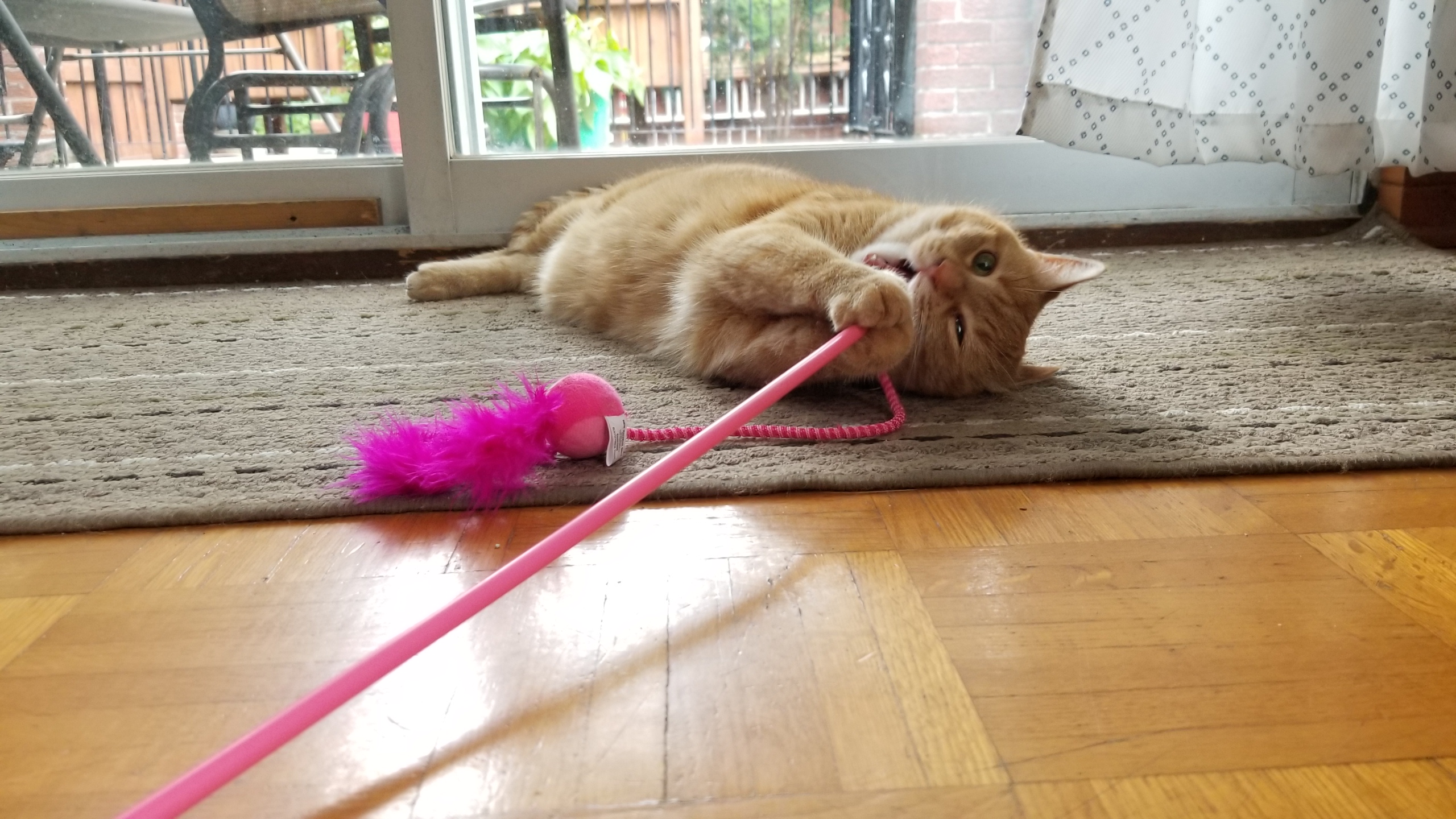
5 Activities to share with your cat
5 Activites to share with your cat by Dogs have agility, flyball, scent work, treibball, obedience, canicross, and more! But what about cats? Even though dog sports are more organized than cat sports, that doesn’t mean we can’t have fun doing activities with our feline friends. Here are five cat activities you can do at
-
How to Choose a Cat Behavior Professional?
How to Choose a Cat Behavior Professional? by Cat behavior professionals come in a variety of personalities and special interests. You might “click” with one more than with the other. If you’re unsure whether a professional is a right fit for you, take some time to look at their website and videos. You might find
-
What is Piloerection in Cats?
Why is my cat’s fur standing up? by Do you sometimes wonder why your cats or looks the way they do? Whether it’s their eyes, ears, whiskers, posture, tail or vocalizations, our cats are communicating their internal state to us in a myriad of different ways. Sometimes, we find them funny for it, but it’s
-
What does my cat’s face say
What does my cat’s body language say? by Cats and humans don’t speak the same language, but there are other ways for us to understand one another. Cat body language tells us a lot. We’ll concentrate on their face in this article. Practicing observing your cat will allow you to start to “read” them better.
-
Why do my dog and cat fight?
Why do my dog and cat fight? by « Like cat and dog » is not an expression that we like when it’s applicable to our household. Because dogs and cats are not of the same species, they sometimes have trouble understanding one another and getting along. It, however, doesn’t mean that we can’t help them to
-
How to train a cat?
How to train a cat? | Is Cat Training really a thing? by Can you train cats? Well, for behavior experts, the question seems ridiculous: OF COURSE YOU CAN TRAIN CATS! For the majority of people, however, it still seems improbable. Well, it’s time to set the record straight! Cat training is definitely worth exploring.


Looking for even more articles on feline behavior?
I aim to add content and would love to hear about the topics that interest you. What intrigues you about feline behavior? What concerns do you have regarding your cat’s happiness? What keeps you up at night thinking about your cat? Without knowing, I can’t write an article about it. Therefore, I ask for your collaboration: Write to me! info@foliesfelines.com
A reminder, however: Feline behavior consultants are not veterinarians. A change in behavior is often a symptom of a MEDICAL problem. If the cat’s health issue isn’t addressed, their behavior won’t change. Therefore, your first stop should always be your veterinarian. Then, once the medical issue is resolved, if the behavioral problem persists, it’s time to contact us. Of course, the same principle applies to articles. I therefore cannot comment on medical topics, simply because it is not my area of expertise: I am NOT a veterinarian or animal health technician. For medical questions, consult your veterinarian. Your cat will thank you.